Preparedness guide
72 Hour Emergency Kit Checklist for Blackouts and Emergencies
A 72-hour kit is your short-term cushion when normal routines break down. It helps you get through blackouts, storms, road closures, evacuations, and household emergencies without immediately scrambling for basics. The goal is not to build the perfect bag overnight. The goal is to cover the first three days with dependable essentials that are easy to carry, easy to find, and easy to maintain.
This guide is built for practical home preparedness and meant to help you take action before the next blackout, storm, or short-term emergency.
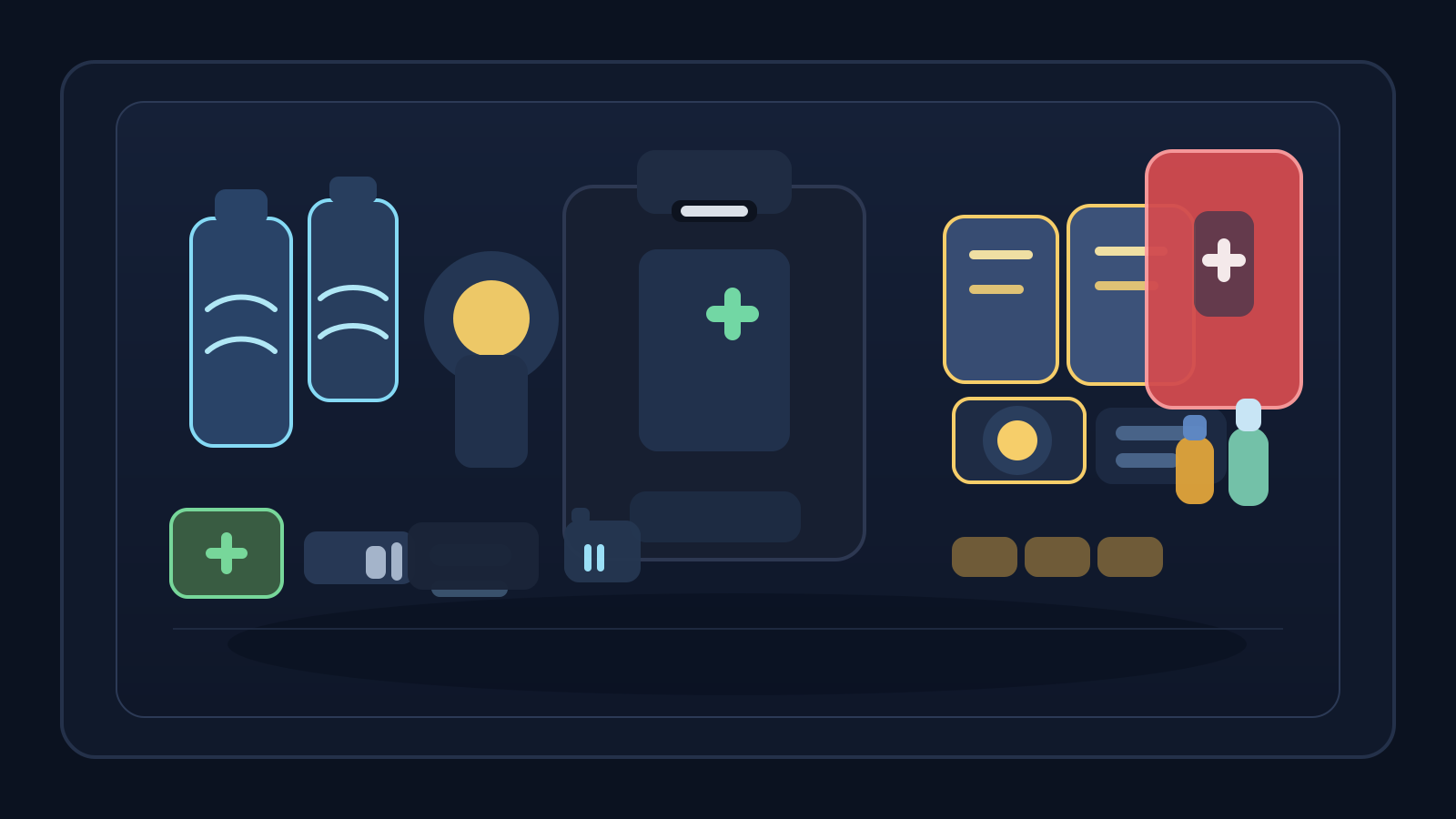
Scan this first
Quick checklist
Use this as your fast-start list, then work through the full sections below to tailor the plan to your household, storage space, daily needs, and backup options.
Pack first
- ✓Three days of water per person, plus pet water if needed
- ✓Shelf-stable food that can be eaten cold or with minimal prep
- ✓Headlamp or flashlight, batteries, and a charged power bank
- ✓Basic first-aid, hygiene items, and daily medications
Do not forget
- ✓Manual can opener, utensils, lighter or matches if safe
- ✓Copies of IDs, emergency contacts, insurance, and small cash
- ✓Seasonal clothing, sturdy shoes, blankets, and rain gear
- ✓Kid supplies, pet gear, and one or two morale items
Review on a schedule
- ✓Rotate food, water, batteries, and medications twice a year
- ✓Update clothing sizes, diapers, and pet food as needs change
- ✓Check cords, chargers, radios, and lighting before storm season
- ✓Keep the kit where you can grab it quickly, not buried in storage
Free download
Download the in-depth prep checklist
Grab a printable PDF with room to track what is packed, what still needs to be bought, where items are stored, and when the kit gets reviewed.
Section 1
Start with your household, not somebody else’s list
Quick checklist
- •Count every person, pet, medication, and mobility need first
- •Build for your real risks: blackout, storm, wildfire, evacuation, or travel delay
- •Use one main household kit and smaller vehicle or grab-and-go kits if possible
Before you buy gear, think through who the kit is actually for. A solo commuter kit looks different from a family kit kept at home, and both look different from a go-bag for evacuation.
Count the people, pets, medications, and climate needs you actually have. A child in diapers, a diabetic adult, or a dog on daily medication changes the checklist fast.
If possible, build one main household kit and then smaller grab-and-go kits for each vehicle or family member. That keeps the essentials centralized without leaving you exposed if you have to leave quickly.
Section 2
Water is the first priority
Quick checklist
- •Plan for at least 1 gallon per person per day for 3 days
- •Store extra water for heat, illness, pets, and limited sanitation
- •Keep a backup option like purification tablets, a filter, or boiling capability
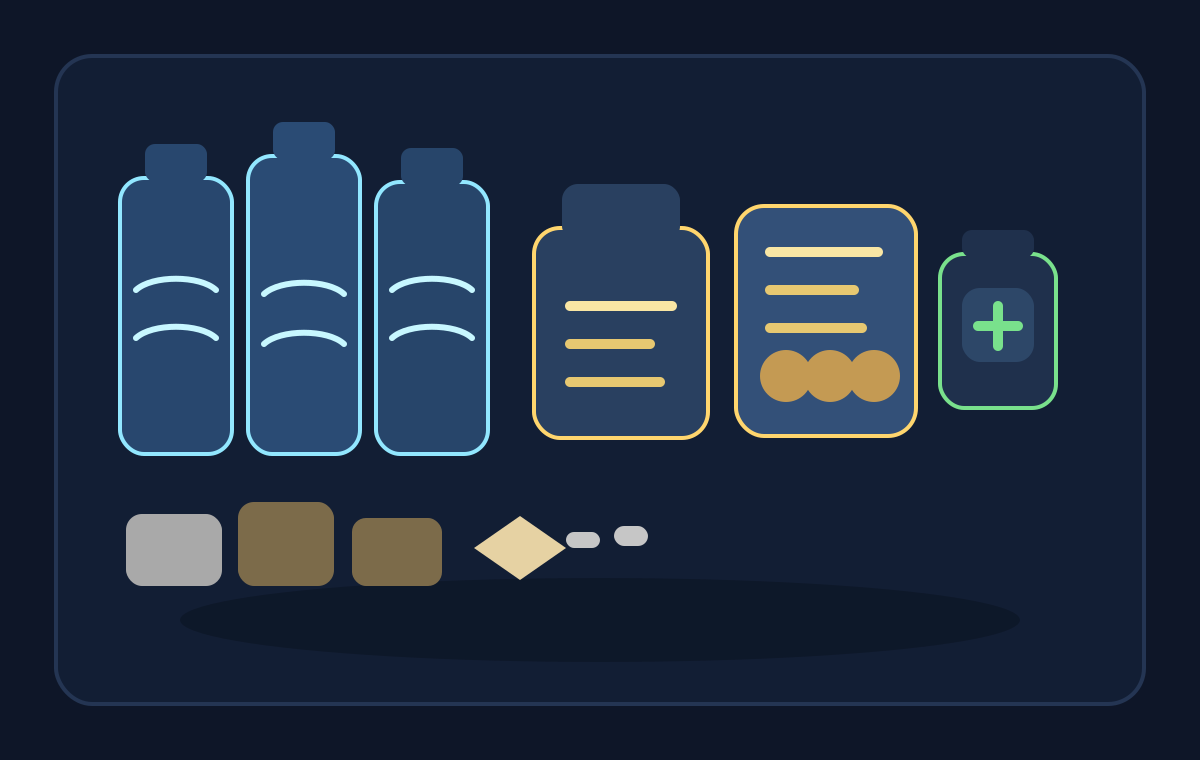
Plan around one gallon of water per person per day for drinking and basic sanitation. For a full 72 hours, that means at least three gallons per person before you add extra for heat, illness, pets, or limited sanitation options.
Stored water is better than relying only on filtration. Filters are important, but in the first hours of an outage or evacuation, ready-to-drink water is faster and more dependable.
Use sturdy bottles or containers you can rotate on a schedule. If you have room, keep extra water separate from the bag so you can top off your short-term kit without overloading it.
A small backup filter, purification tablets, or the ability to boil water gives you a second layer if the disruption lasts longer than expected.
Section 3
Pack food that needs almost nothing from you
Quick checklist
- •Choose food that survives rough handling, temperature swings, and no microwave
- •Favor calories, protein, and convenience before comfort extras
- •Pack the can opener, spoon, and napkins with the food, not somewhere else
A 72-hour kit is not the place for complicated meals. Choose shelf-stable foods that can be eaten cold, require little prep, and hold up well during travel or power loss.
Good starter options include protein bars, peanut butter, crackers, canned meat, tuna, soup, trail mix, instant oatmeal, electrolyte packets, dried fruit, and ready-to-eat meals that only need hot water if available.
Keep a manual can opener in the kit if any food depends on it. Do not assume you will remember where the kitchen opener is when the lights are out or you need to leave quickly.
Focus on calories, protein, and convenience first. Comfort foods matter too, especially for children, but the bag should solve hunger before it solves morale.
Section 4
Lighting and backup power make everything easier
Quick checklist
- •Lead with a headlamp, then add a flashlight and room light
- •Store spare batteries or charging cables with the device they belong to
- •Keep at least one charged power bank ready instead of still in the box
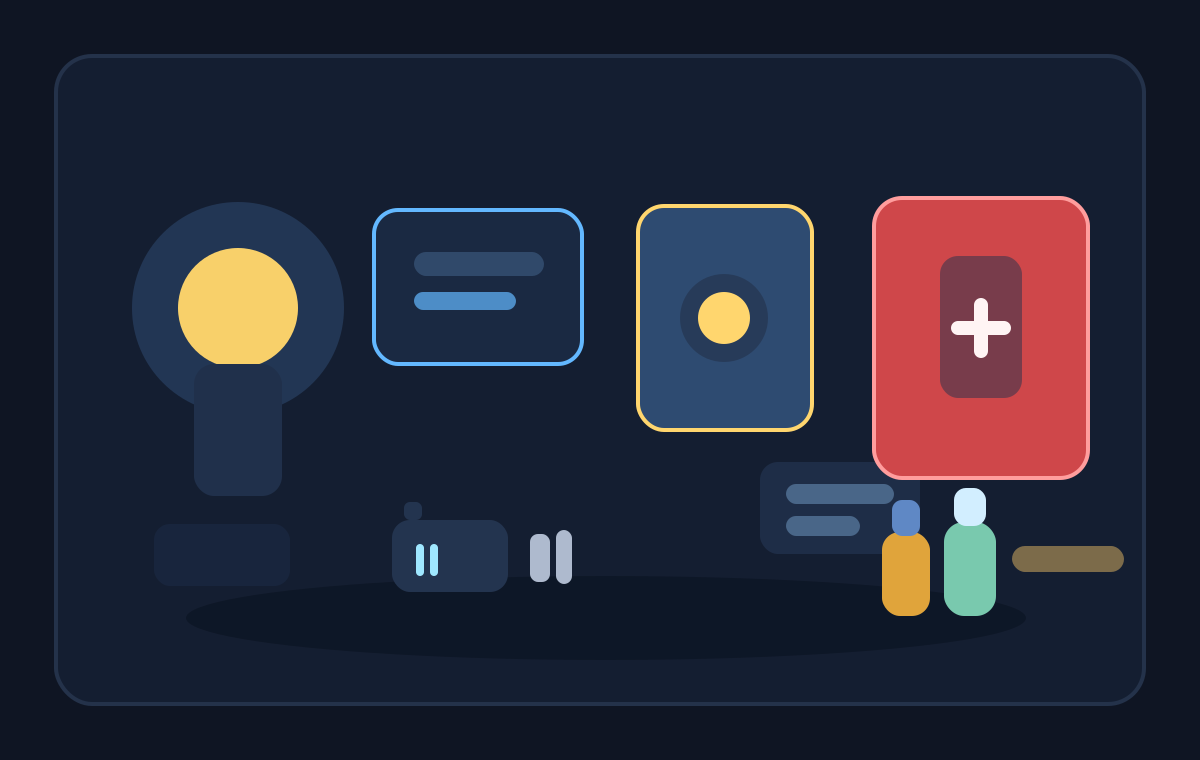
A headlamp is usually one of the highest-value items in the whole kit because it keeps both hands free. Pair it with a small flashlight and at least one backup battery set or charging cable.
A compact lantern helps a room feel calmer than a flashlight beam bouncing around the walls. That matters more than people think during long evenings without power.
Add at least one charged power bank and the cords your household actually uses. Label or bundle the cables so you are not sorting through random chargers when phones are low.
If you rely on rechargeable gear, keep a backup option that does not depend on wall power being restored quickly. A dead power bank is just extra weight.
Section 5
Cover first aid, hygiene, and daily meds
Quick checklist
- •Stock bandages, gauze, tape, antiseptic, gloves, tweezers, and pain relief
- •Add hygiene basics: wipes, toilet paper, soap, feminine products, diapers, and trash bags
- •Rotate prescriptions, inhalers, backup glasses, and other personal medical needs
Your kit should handle common injuries, minor illness, and personal care without needing a drugstore run. Stock bandages, gauze, tape, antiseptic wipes, gloves, pain relievers, antihistamines, tweezers, and any personal prescriptions you can legally and safely rotate.
Do not forget hygiene basics. Toothbrushes, toothpaste, wipes, soap, toilet paper, feminine products, diapers, and trash bags are easy to overlook and miserable to do without.
If someone in the home needs glasses, hearing aid batteries, inhalers, insulin supplies, mobility aids, or backup medical paperwork, those items belong on the checklist before you add more gear gadgets.
Check expiration dates and refill cycles regularly. Medical readiness fails quietly when people assume a kit packed a year ago is still ready today.
Section 6
Documents, cash, and communication backups matter
Quick checklist
- •Use a waterproof pouch for copies of IDs, insurance, contacts, and medical info
- •Keep small bills for fuel, food, and purchases when readers or ATMs fail
- •Write down one out-of-area contact and one meeting point for the household
Keep a small waterproof pouch with copies of identification, insurance information, emergency contacts, local maps, and any key medical information you would need if your phone died or service went down.
A little cash in small bills is worth carrying. Card readers, ATMs, and gas pumps do not always work smoothly during outages or evacuations.
Write down at least one out-of-area contact and one local meeting point. People often assume they will remember numbers and plans under stress, but that confidence disappears fast when batteries are low and routines are broken.
A battery radio or crank radio can also belong in the kit if severe weather, wildfire, or infrastructure outages are common in your area.
Section 7
Clothing, shelter, and season-specific supplies
Quick checklist
- •Pack at least one weather layer, socks, and rain protection for each person
- •Adjust for your region: insulation in cold, extra hydration and sun protection in heat
- •Stage real shoes or boots next to the kit if evacuation is a possibility
Add a weather layer for each person, even if the bag stays in the house. A hoodie, socks, gloves, poncho, emergency blanket, or rain shell can solve a lot of discomfort fast.
Your local climate should shape the kit. Cold-weather kits need insulation, hand warmers, hats, and ways to stay dry. Hot-weather kits need extra water, electrolyte support, sun protection, and cooling considerations.
If evacuation is a possibility, include sturdy shoes or at least keep them staged next to the kit. Walking out in slides or barefoot because the kit was packed but the footwear was forgotten is a common oversight.
For vehicle kits, assume you may be stranded for hours before help arrives. That makes blankets, visibility gear, and weather protection more important than they look on paper.
Section 8
Do not forget kids, pets, and comfort items

Quick checklist
- •Pack diapers, wipes, formula, small snacks, and simple comfort items for children
- •Add pet food, bowls, leash or carrier gear, waste bags, and medications
- •One small morale item per person helps more than people expect during a rough night
Children burn through patience and supplies faster than adults during disruption. Pack diapers, wipes, formula, snacks, comfort items, small activities, and any age-specific medicines they may need.
Pets need food, water, leash or carrier gear, waste bags, and medication too. A household kit that ignores the animals is incomplete.
A few morale items can make a rough situation more manageable. Think deck of cards, not entertainment center. Simple comfort goes a long way when power is out and routines are disrupted.
Section 9
Store it well and review it on a schedule
Quick checklist
- •Keep the kit in a labeled spot you can reach in the dark or in a hurry
- •Review twice a year and tie it to a date you already remember
- •Replace expired food, dead batteries, old meds, and outgrown clothing
A great checklist does not help if the bag is buried behind holiday decorations or packed so heavily nobody wants to move it. Use durable containers, label them clearly, and keep them where you can reach them fast.
Review the kit at least twice a year. Rotate food, water, batteries, clothing sizes, medications, and seasonal gear. Tie the review to daylight saving time, storm season, or another date you already remember.
Preparedness works best when the kit is simple enough to maintain. A realistic kit that gets checked is far better than an elaborate setup that is forgotten.
Section 10
Simple 72-hour kit starter checklist
Quick checklist
- •Water: three gallons per person, bottles, and a backup purification option
- •Food: shelf-stable meals, snacks, can opener, and utensils
- •Light and power: headlamp, flashlight, batteries, radio, power bank, charging cords
- •Medical and hygiene: first-aid kit, prescriptions, wipes, soap, toilet paper, gloves
- •Documents and cash: IDs, contacts, insurance copies, maps, and small bills
- •Clothing and extras: socks, layers, blanket, rain gear, shoes, pet gear, kid items
For each person, start with water, food, light, first aid, basic hygiene, medications, charging, clothing layers, and a copy of emergency information. Then add needs that are specific to your household such as infant supplies, pet gear, mobility or medical equipment, and climate-specific gear. The most important checklist is the one that matches your real life.
Common questions
Questions people ask about this topic
What should be in a 72 hour emergency kit?
A solid 72 hour kit starts with water, low-prep food, lighting, backup power, first aid, hygiene items, medications, copies of key documents, clothing, and household-specific extras like infant or pet supplies.
How much water should I pack for 72 hours?
Use at least one gallon per person per day as your baseline. That means at least three gallons per person for a 72-hour window, then add extra for heat, pets, illness, and limited sanitation options.
Should a 72 hour kit stay at home or in a vehicle?
The best setup is usually both: one main household kit and a smaller grab-and-go or vehicle version. That way you are covered whether you shelter at home, get stranded, or need to leave quickly.
Keep reading
Related preparedness guides
Open another practical guide to keep building your plan without bouncing around the site.
Join the network
Join the preparedness community
Create a free account to follow blackout discussions, save new guides, and connect with people building real-world emergency plans.